Master Thesis | Bauhaus | Short Overview |
1st place Robert Oxman award "The best thesis 2020" | Grade 1.0
1st place Robert Oxman award "The best thesis 2020" | Grade 1.0
PROJECT INFO
Master Thesis
Year: 2020
Dessau, Germany
AWARDS
Robert Oxman Award
<The Best Thesis 2020>
1st Place
CATEGORY
Urbanism
Experimental Design
Speculation
Concept
Storytelling
Master Thesis
Year: 2020
Dessau, Germany
AWARDS
Robert Oxman Award
<The Best Thesis 2020>
1st Place
CATEGORY
Urbanism
Experimental Design
Speculation
Concept
Storytelling
TOOLS
Illustrator
Photoshop
AutoCad
InDesign
Premiere Pro
SKILLS
Hand Drawing
Concept & Storytelling
TEAM
Imagining Collaborative World studio ·
DIA ( Anhalt University of Applied Science ) ·
Architecture | Dessau ·
Bauhaus | Germany
Illustrator
Photoshop
AutoCad
InDesign
Premiere Pro
SKILLS
Hand Drawing
Concept & Storytelling
TEAM
Imagining Collaborative World studio ·
DIA ( Anhalt University of Applied Science ) ·
Architecture | Dessau ·
Bauhaus | Germany
CONTEXT
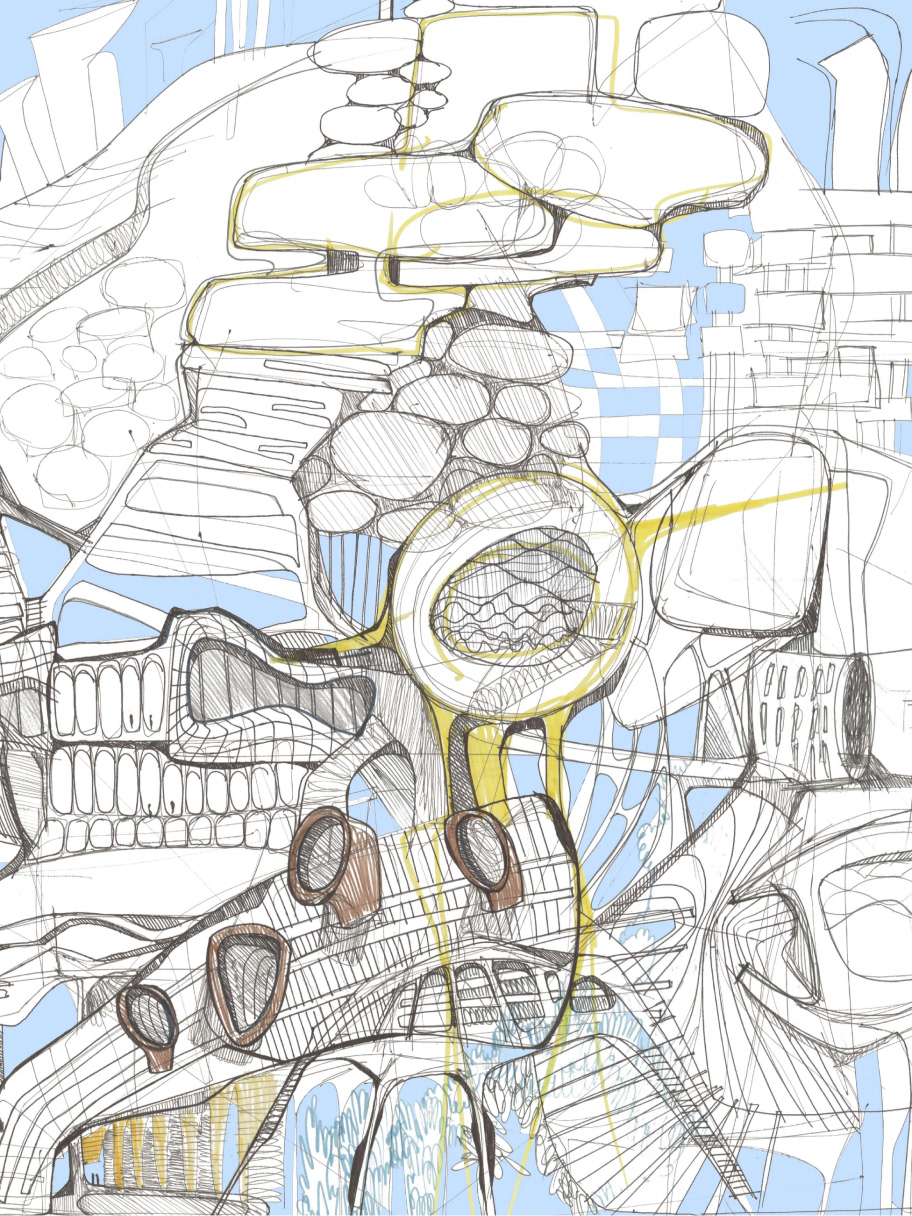
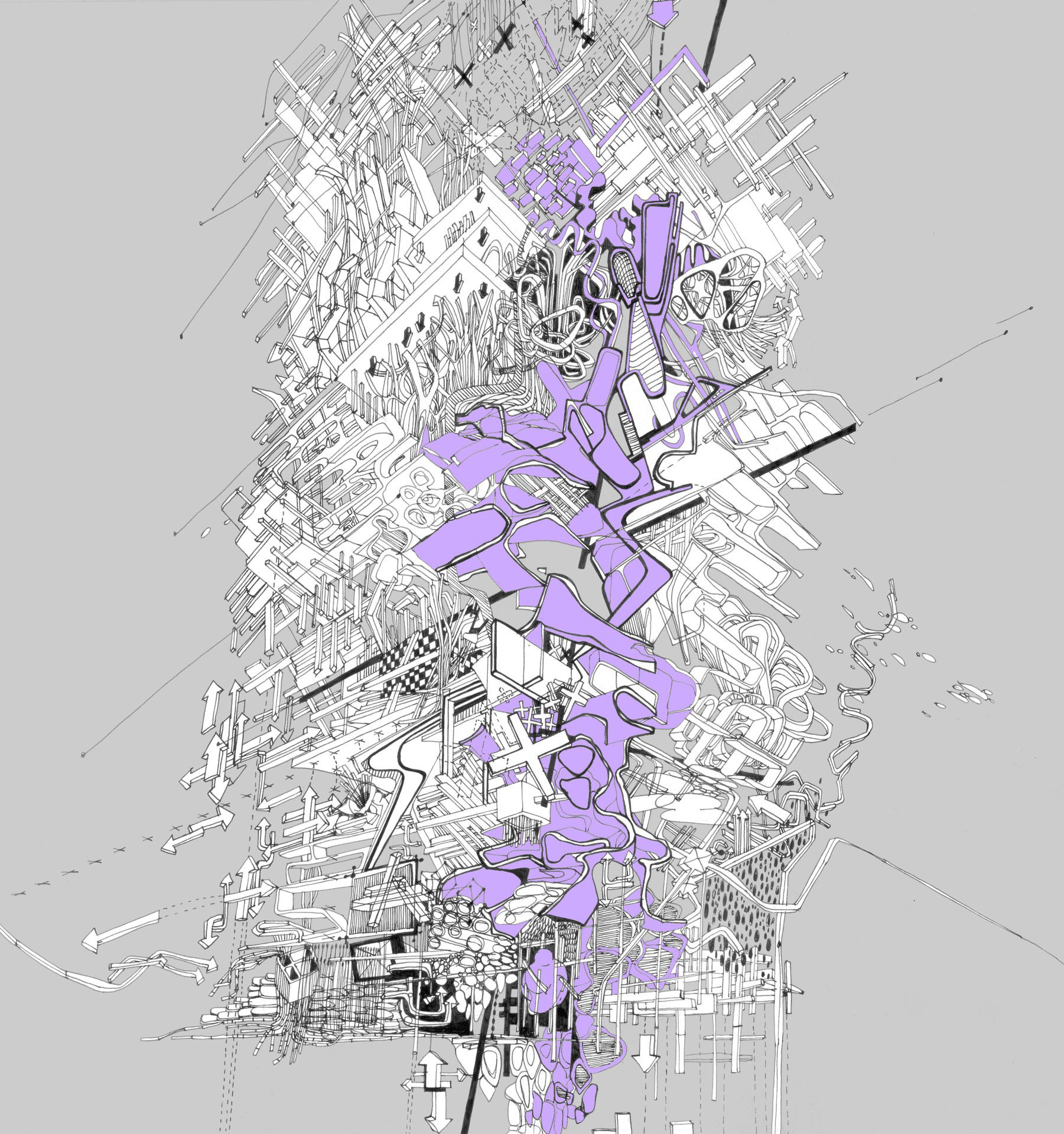
How intelligent is Artificial Intelligence? Does it need Love? What does Empathy mean for people and a future artificial generation? How we can build our environment in the digital revolution by working collaboratively with artificial intelligence in being in between virtual and physical environments? This is about the future poetry, and here is one of the examples of urban node structure I have created.
How intelligent is Artificial Intelligence? Does it need Love? What does Empathy mean for people and a future artificial generation? How we can build our environment in the digital revolution by working collaboratively with artificial intelligence in being in between virtual and physical environments? This is about the future poetry, and here is one of the examples of urban node structure I have created.
PROLOGUE
I believe this is a wonderful and highly complex thesis project that deserves deep reflection. While studying architecture, I have always sought complex programs that require a process of ideation, philosophy, speculation, alternative realities, and futuristic thinking. The studio "Imagining Collaborative World" was the perfect opportunity for me and for my mind, which was craving complex thinking and imagining urban structures, not in the common way, but from a mental and conceptual perspective. The title, "REMAIN HUMAN," framed by the studio's utopian call for collaboration and commoning, positions the work perfectly for a retrospective look through the lens of emerging AI and current social crises.
I believe this is a wonderful and highly complex thesis project that deserves deep reflection. While studying architecture, I have always sought complex programs that require a process of ideation, philosophy, speculation, alternative realities, and futuristic thinking. The studio "Imagining Collaborative World" was the perfect opportunity for me and for my mind, which was craving complex thinking and imagining urban structures, not in the common way, but from a mental and conceptual perspective. The title, "REMAIN HUMAN," framed by the studio's utopian call for collaboration and commoning, positions the work perfectly for a retrospective look through the lens of emerging AI and current social crises.
///
Conducted interdisciplinary research encompassing empirical scientific literature, cinematic representations, science fiction narratives, emergent temporal trends, logical and representational fidelity, alongside urban morphological and structural typologies.
///
The architectural thesis "REMAIN HUMAN", developed within the master studio "Imagining Collaborative World" at DIA Bauhaus, was not merely a design proposal; it was a philosophical counter-argument cast in concrete and data. Reflecting on it now, from a distance of time and the accelerating advancements in artificial intelligence (AI), the project’s central provocation-the necessity of defining and safeguarding "humanity"-seems more urgent than ever. The work’s power lies in its pre-emptive critique of the seamless, commodified digital future, offering, instead, a blueprint for a tangible, equitable, and affective existence rooted in collaboration and the commoning of resources.
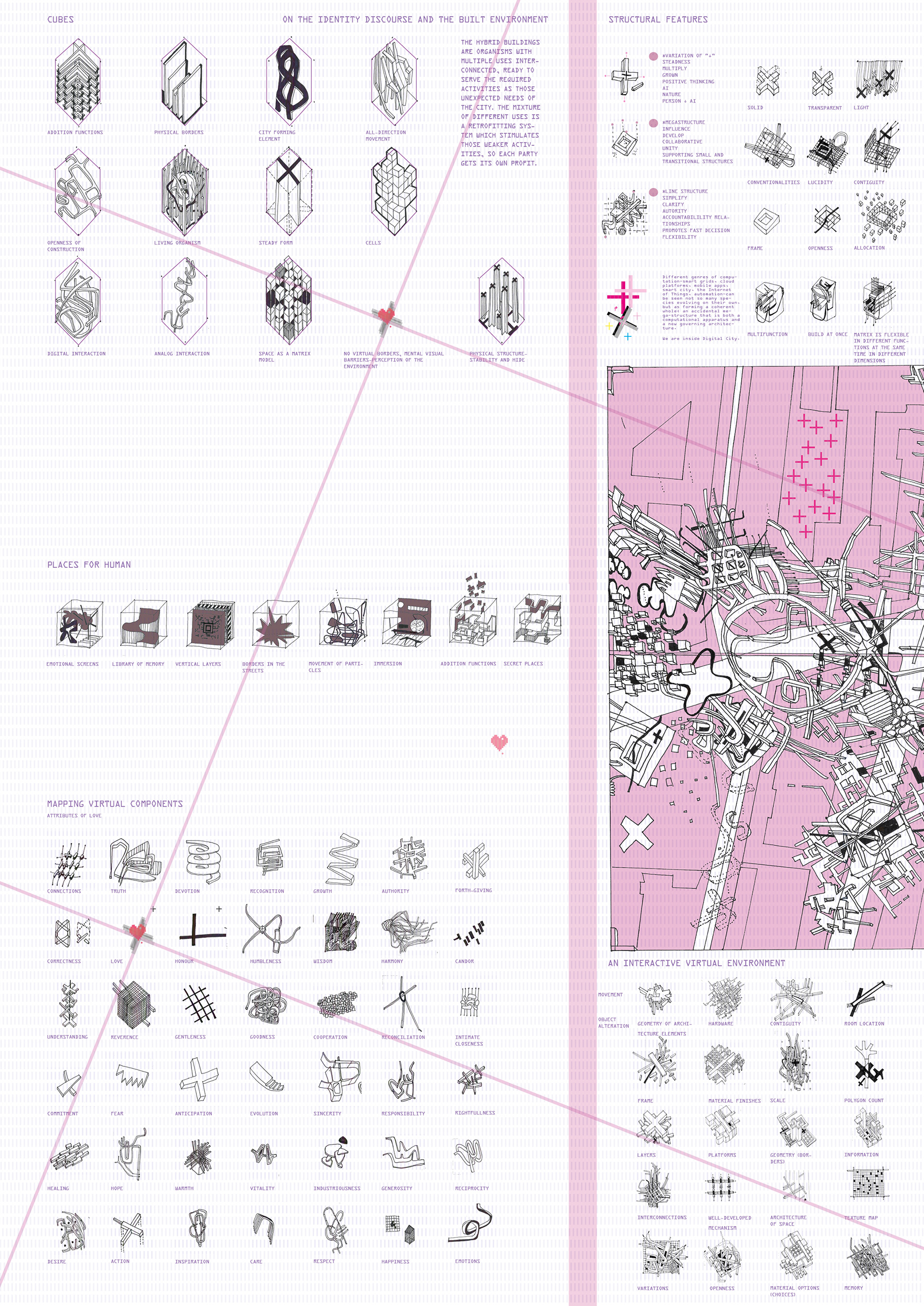
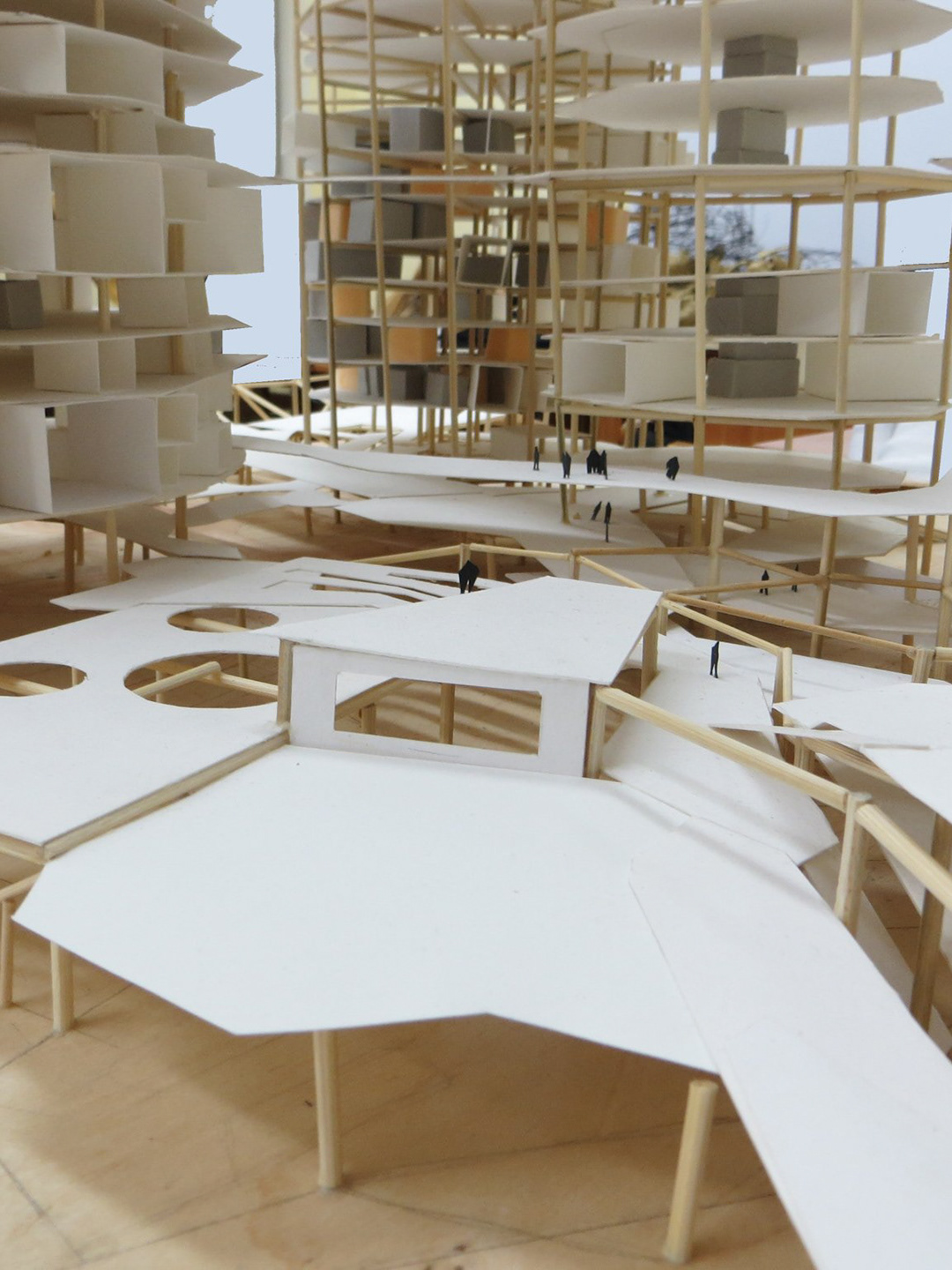
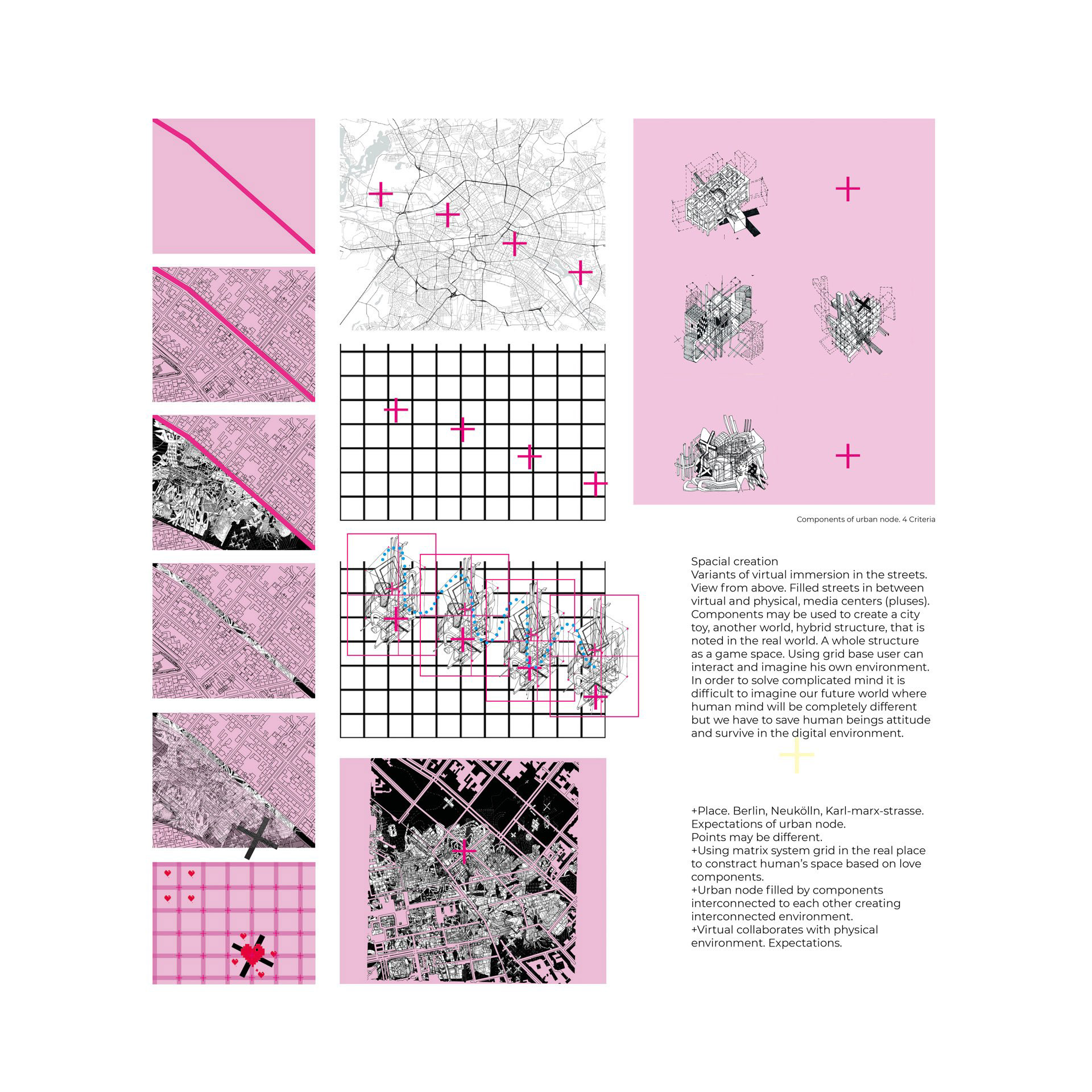
COMPONENTS OF URBAN NODE - form the district.
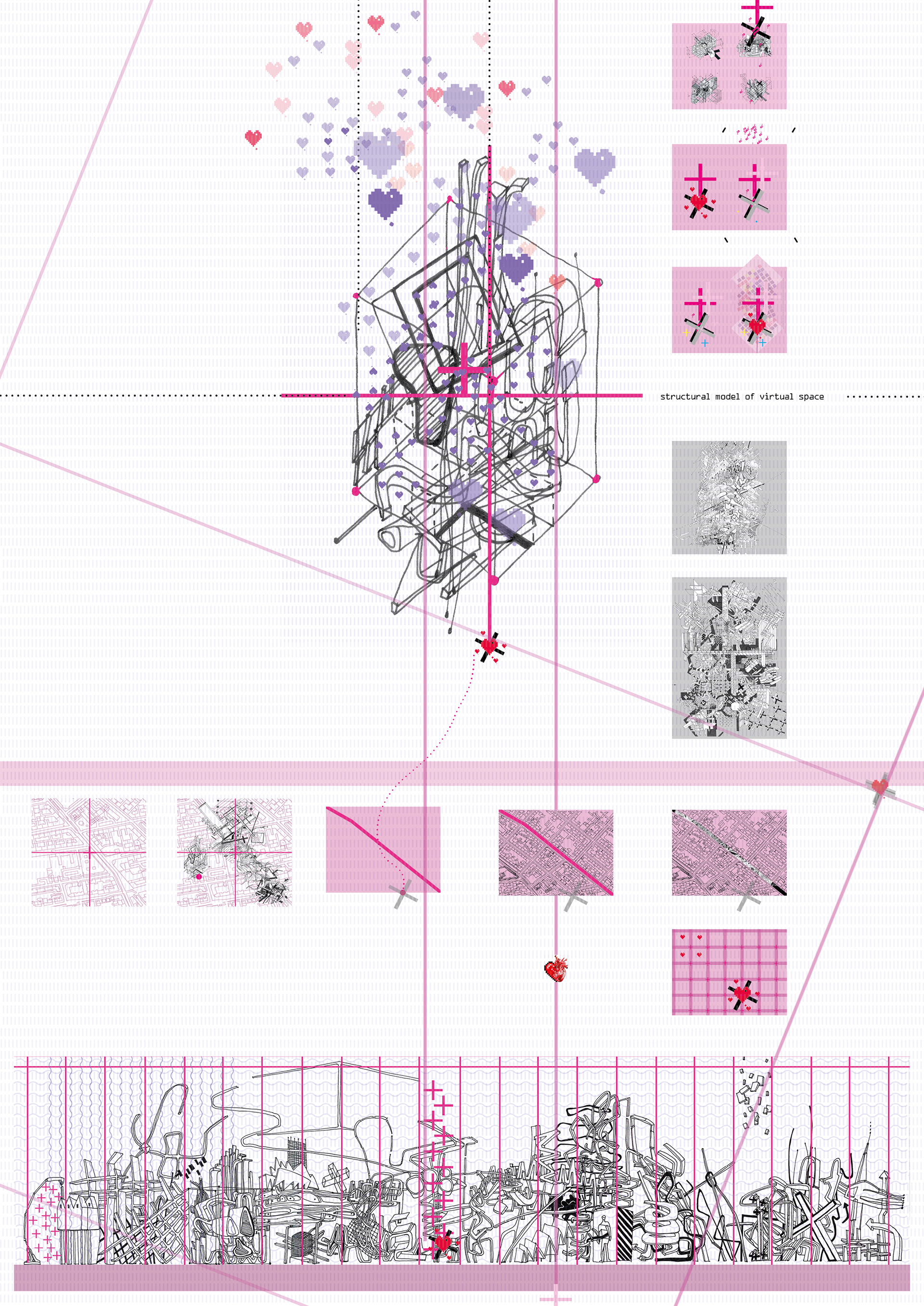
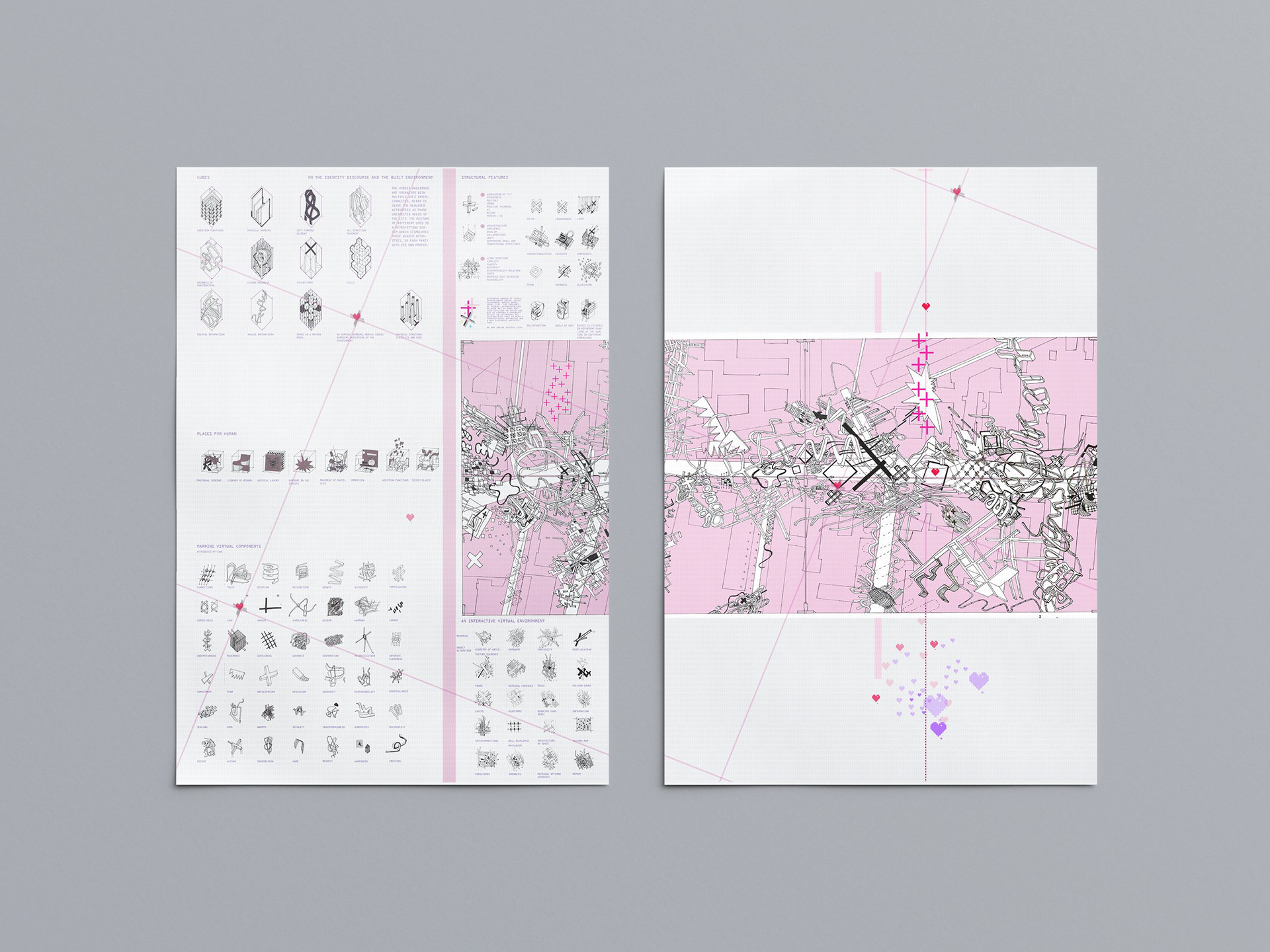
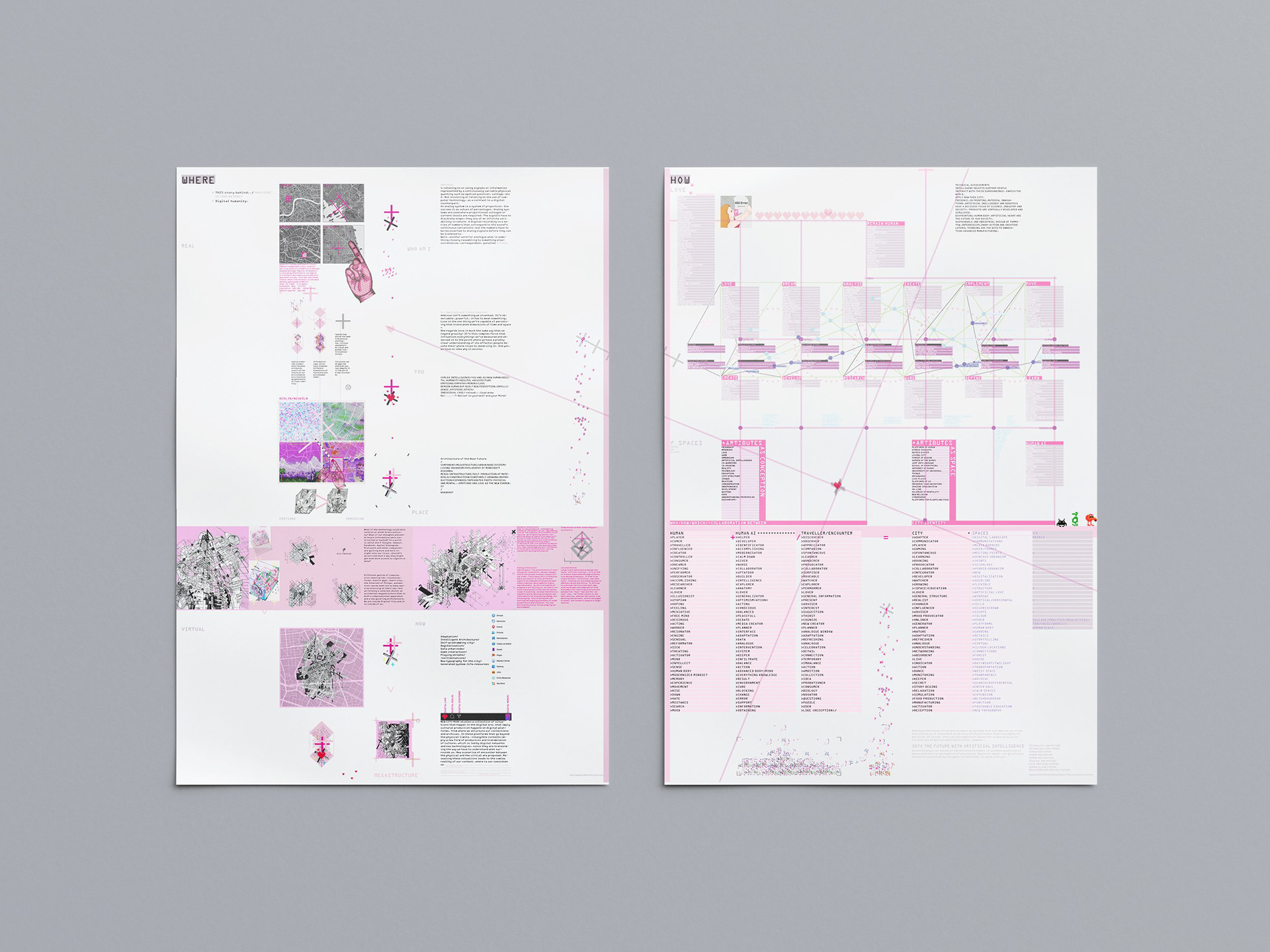
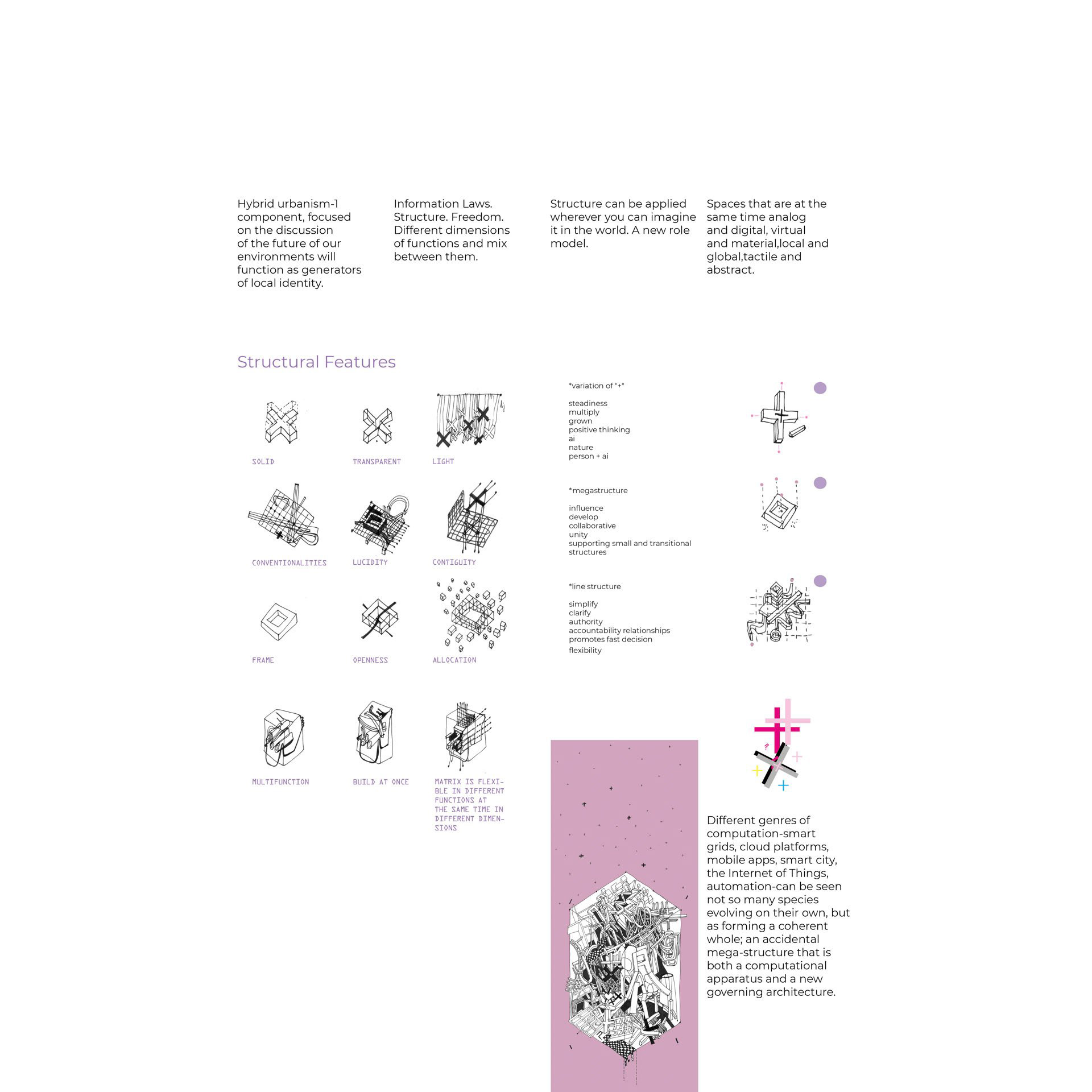
Hybrid urban structure - one element of the megastructure, focused on the discussion of the future of our environments will function as generators of emotions. Information Laws, Structure, Freedom, Difference dimensions of functions and mix between them. Structure can be applied wherever you can imagine in the words. A role model. Spaces that at the same time analog and digital, virtual and material, local and global, tactile and abstract.The programmatic elements: the ACTIVATOR PLATFORM, COMMUNE PLATFORM, PRACTICE PLATFORM, FARMING ENERGY, and MEDICAL TREATMENT.
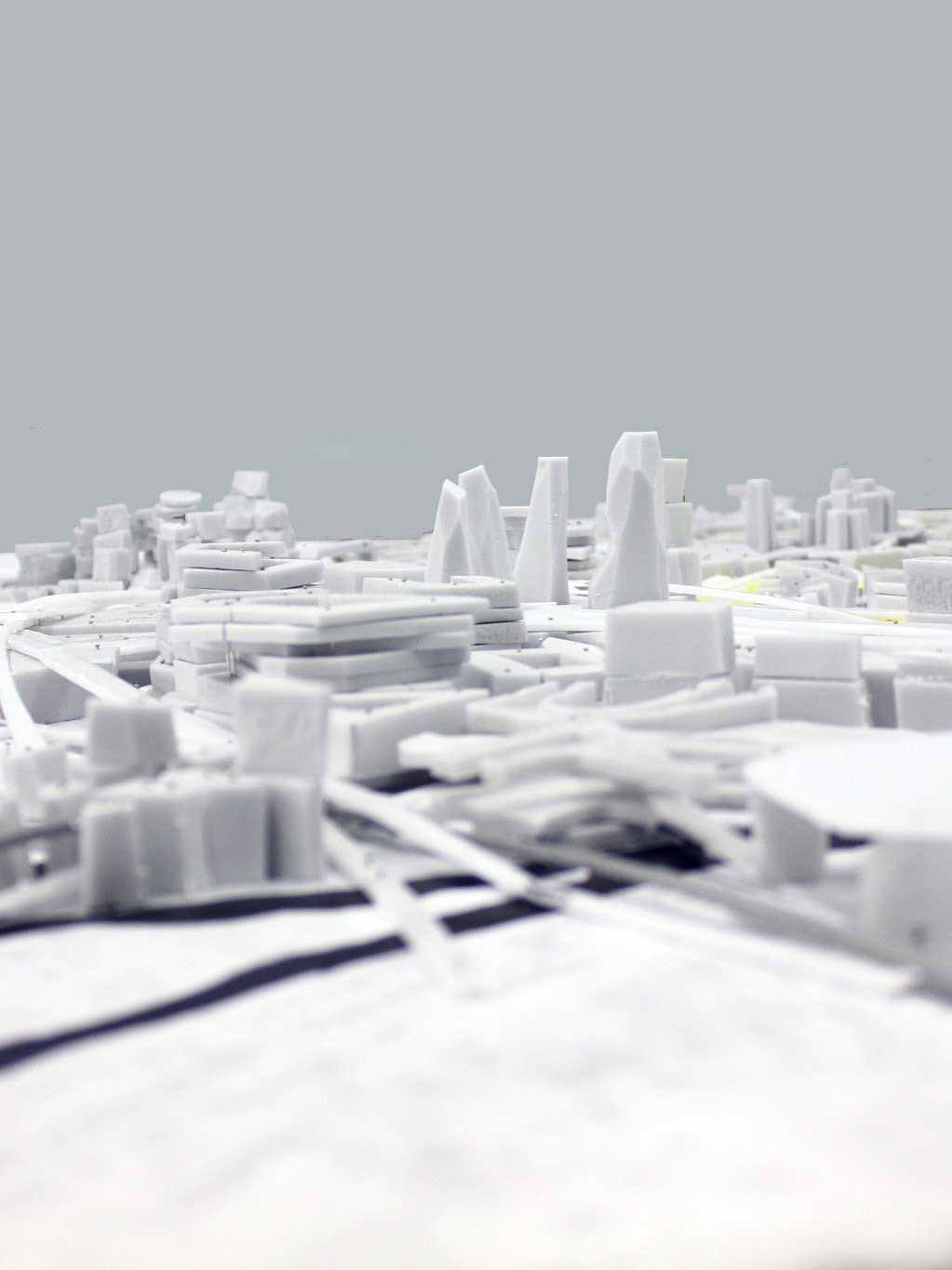
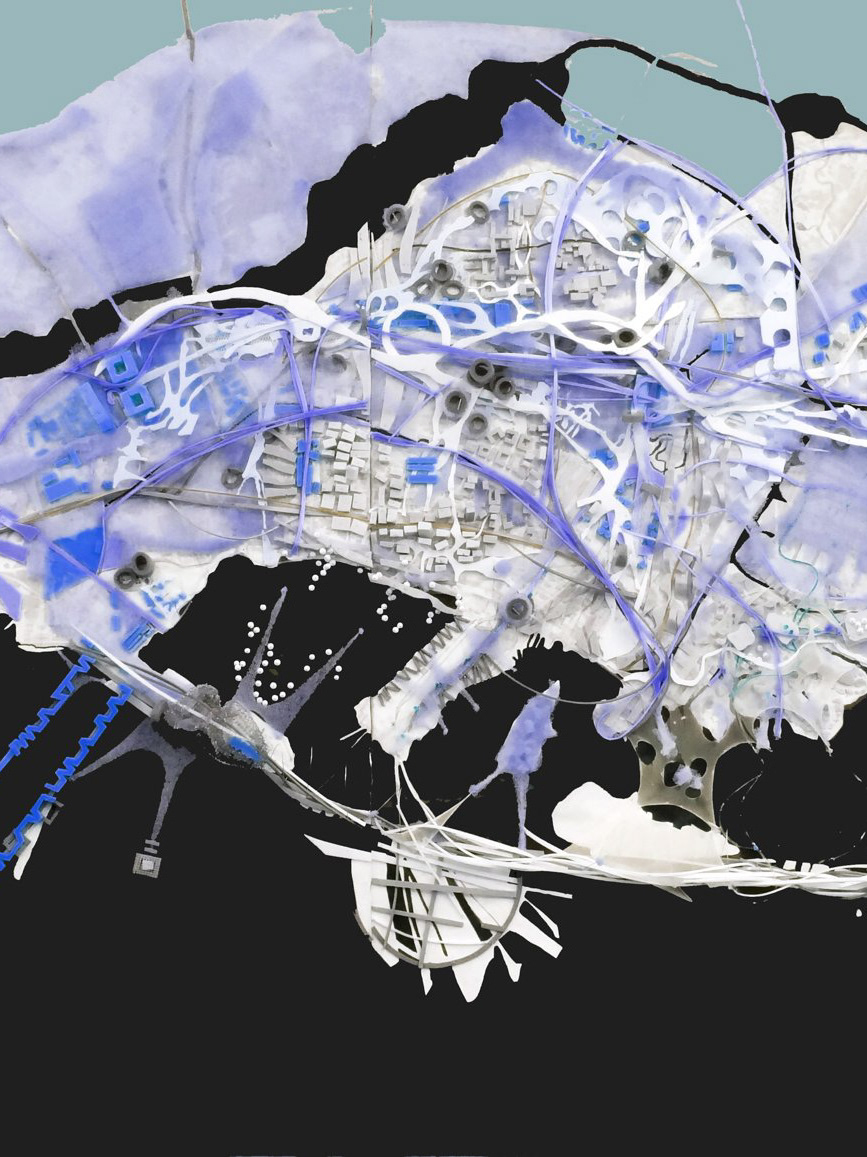
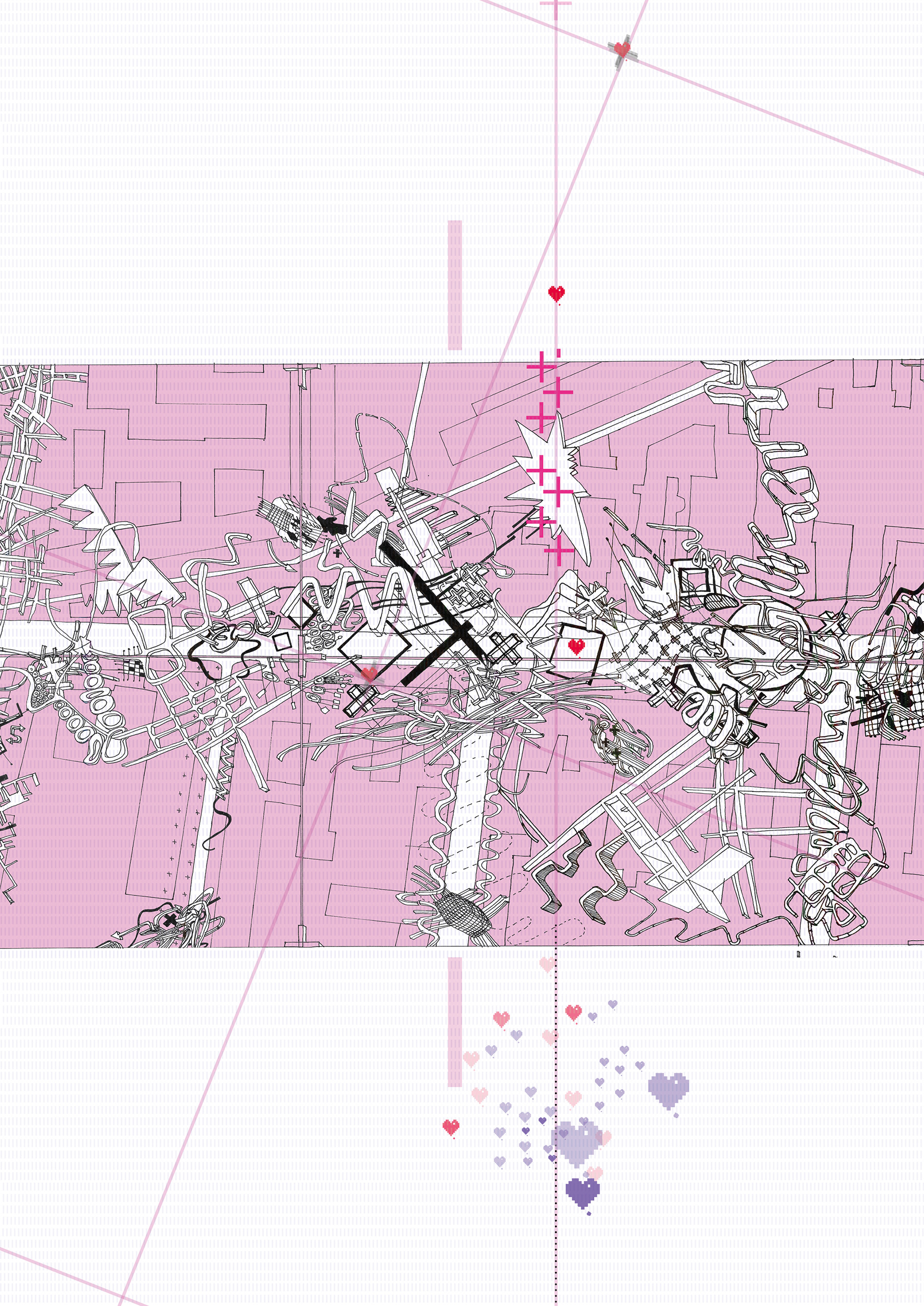
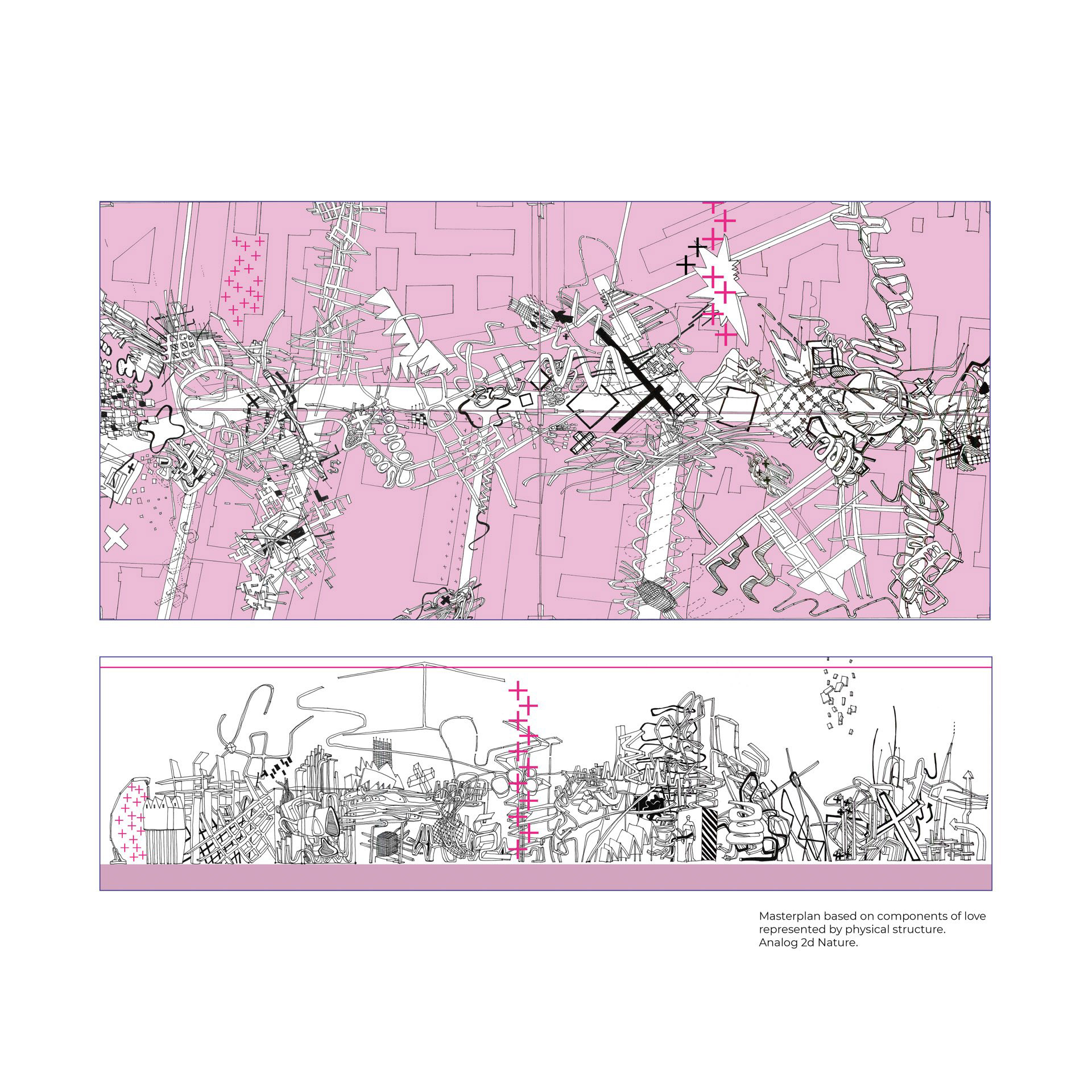
MASTERPLAN. DIGITAL POETRY.
The Synthesis. Hybrid Space. The Imaginable perspective of shaping new realities between possibilities and limitations in the media environment.
Delivered Future these “Components” impact our spaces. How do we shape them to fit our contexts without restructuring our buildings? What even are these elements? Scalar comparisons act as reminders to think of our evolutions not only in their single unit form but in urban environments as a whole.
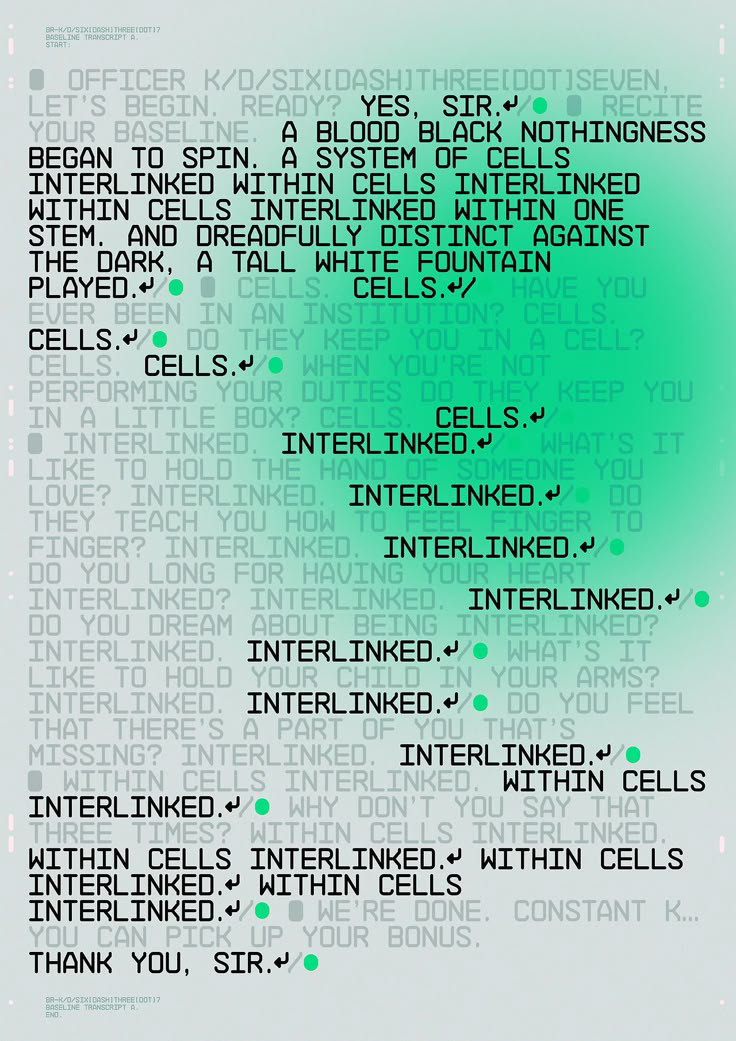
PROGRAM
Site, Program, and the Logic of the Commons
While the specific site of "REMAIN HUMAN” is inferred to be one requiring deep social and ecological repair - a post-industrial or environmentally strained urban periphery-the true site is the network of human relations. The architecture is designed to enforce the studio's concept of the urban commons.
The programmatic elements, including the ACTIVATOR PLATFORM, COMMUNE PLATFORM, PRACTICE PLATFORM, FARMING ENERGY, and MEDICAL TREATMENT, are not typical commercial functions. They represent a vertically integrated, self-sustaining Collaborative Engine.
Farming Energy & Generator: This is the core engine, asserting self-sufficiency (SELF-SUPPORT, INDEPENDENCY) and rejecting reliance on external market supply chains for fundamental needs. Food and power are not commodities; they are resources managed by the commoners.
Commune Platform & Society/Unity: These spaces are explicitly designed for collective governance and social cohesion, serving as the institutional framework for managing the shared resources.
Museum of Mistakes & Forest of Memories: These are brilliant, deeply human programs. They explicitly embed memory and vulnerability into the built environment. The Museum of Mistakes is a safeguard against the utopian fallacy, the idea that perfection is attainable, and insists that human development is iterative and imperfect. The Forest of Memories ensures a connection to analogue history and nature's evolution, resisting the simulation hypothesis mentioned in the project outline.
The program's intention is clear: to leverage advanced technology (AI/robotics) not for maximizing consumption or profit (the market competitiveness model), but for liberation, relieving humans of "tasks that we do not wish to perform or that are highly repetitive," thus freeing up cognitive and emotional energy for the complex, non-algorithmic work of LOVE AND DEVELOPMENT, DIALOG, and CARING.
ESSENCE
The Studio’s Utopian Premise and the Thesis Theme
The Studio’s Utopian Premise and the Thesis Theme
The Imagining Collaborative World studio set a high bar, demanding a vision where "empathy moves our personality instead of individual success" and "urban space and architecture are becoming common resources." This premise provides the essential lens through which to view "REMAIN HUMAN". The project immediately identifies the primary threat to this utopian vision: not external crisis, but the internal collapse of human values catalyzed by the pervasive influence of digitalization, which often breeds "borders, lack of empathy, destroying nature... suppression, fear and prejudice."
///
The thesis title itself - "REMAIN HUMAN" - functions as a moral imperative. It argues that while the digital revolution and AI promise efficiency and transcendence, they simultaneously threaten the messy, analog, and fundamentally social qualities that make us human. The subtitle, "PLANNING PARADIGM IN ANALOGUE SECOND NATURE", encloses the design solution: a hybrid reality where the "Analogue Second Nature" (a newly cultivated, preserved, and evolved nature) is protected by a collaborative social ecosystem, with AI deployed only in service of human freedom, not profit.
The thesis title itself - "REMAIN HUMAN" - functions as a moral imperative. It argues that while the digital revolution and AI promise efficiency and transcendence, they simultaneously threaten the messy, analog, and fundamentally social qualities that make us human. The subtitle, "PLANNING PARADIGM IN ANALOGUE SECOND NATURE", encloses the design solution: a hybrid reality where the "Analogue Second Nature" (a newly cultivated, preserved, and evolved nature) is protected by a collaborative social ecosystem, with AI deployed only in service of human freedom, not profit.
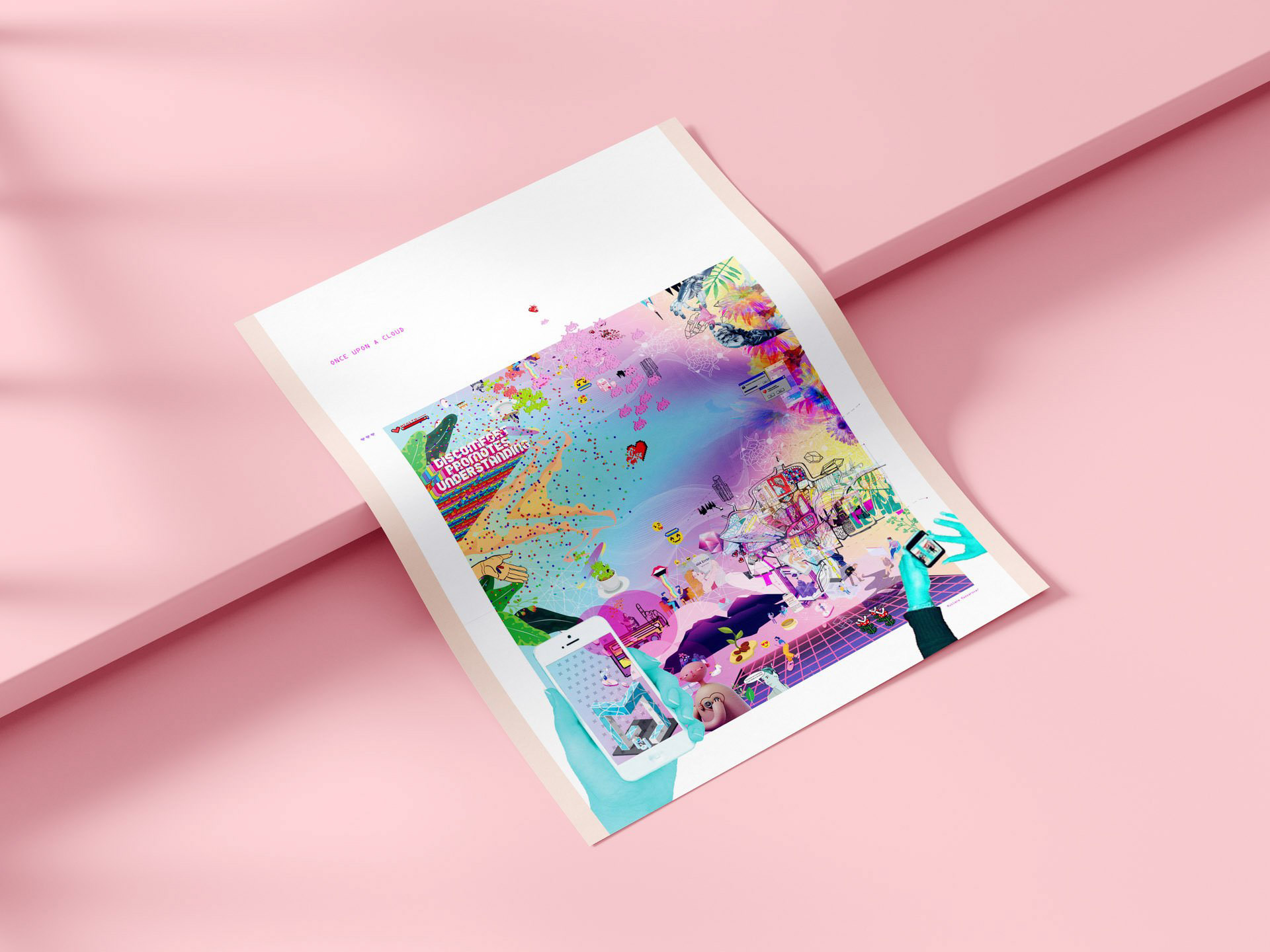
***You will be required to do wrong no matter where you go. It is the basic condition of life, to be required to violate your own identity. At some time, every creature which lives must do so. It is the ultimate shadow, the defeat of creation; this is the curse at work, the curse that feeds on all life. Everywhere in the universe.***
-Wilbur Mercer (Wilbur Mercer is a media personality and religious leader who commands millions of followers around the world. His religion, Mercerism, is based around the idea that empathy is mankind’s quintessential quality)
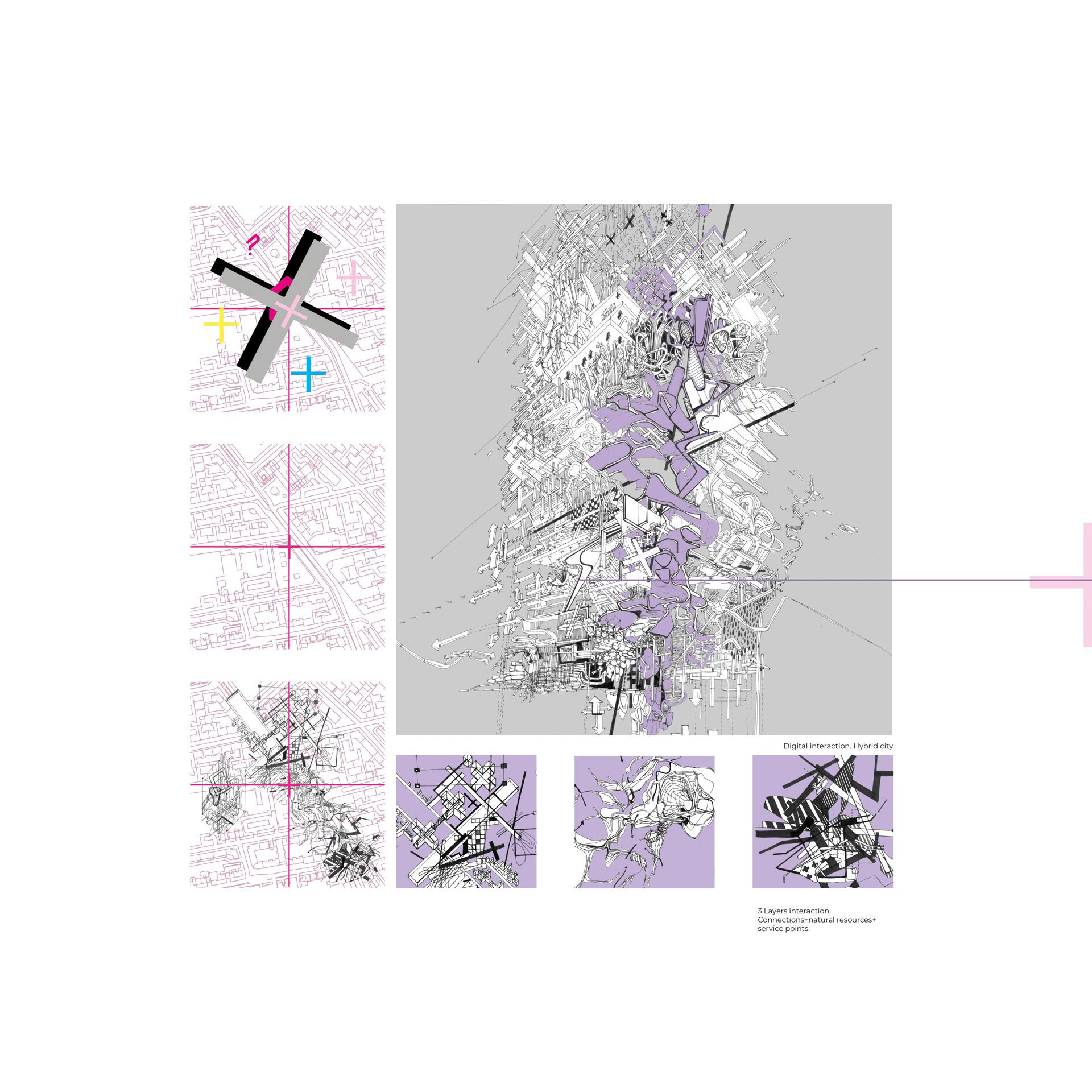
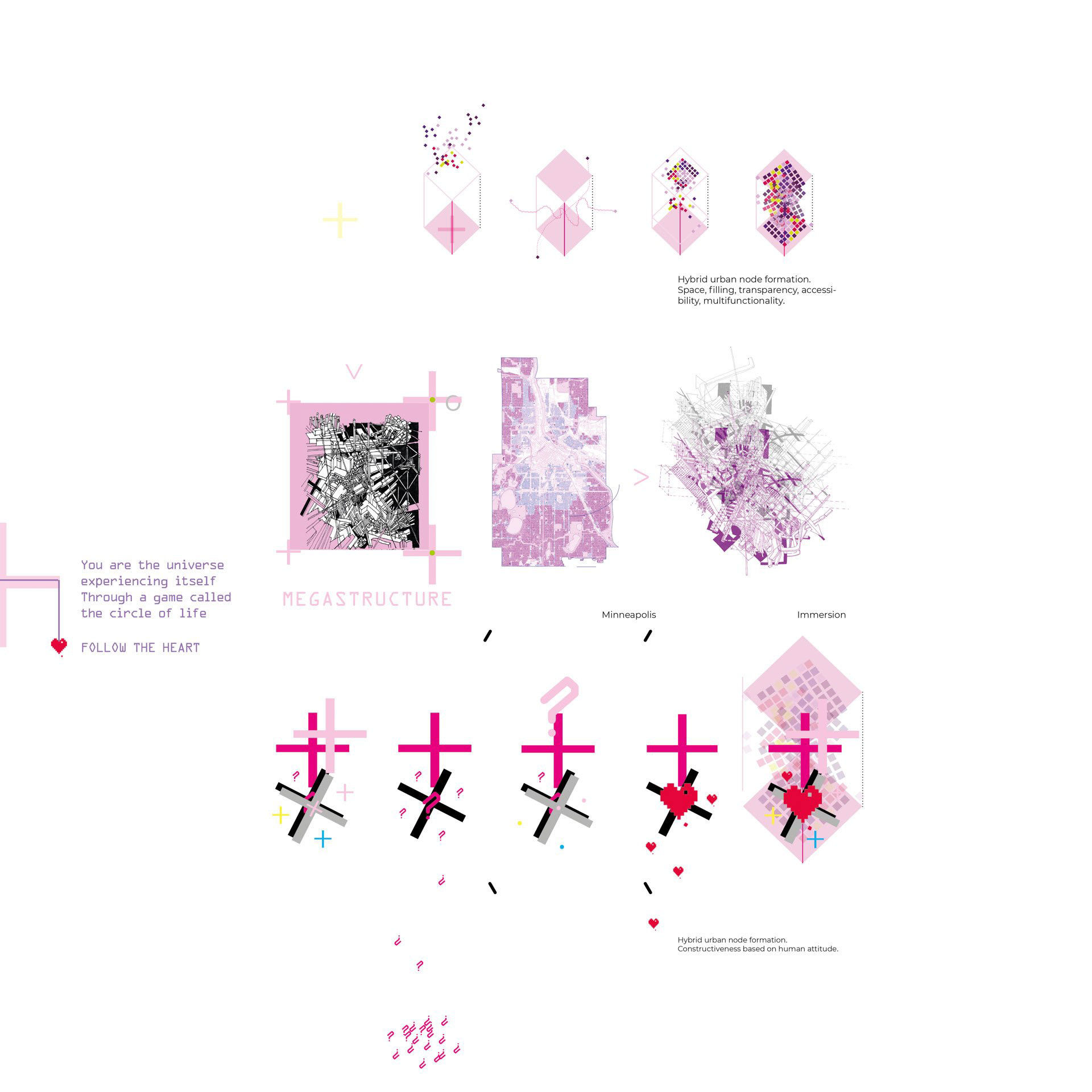
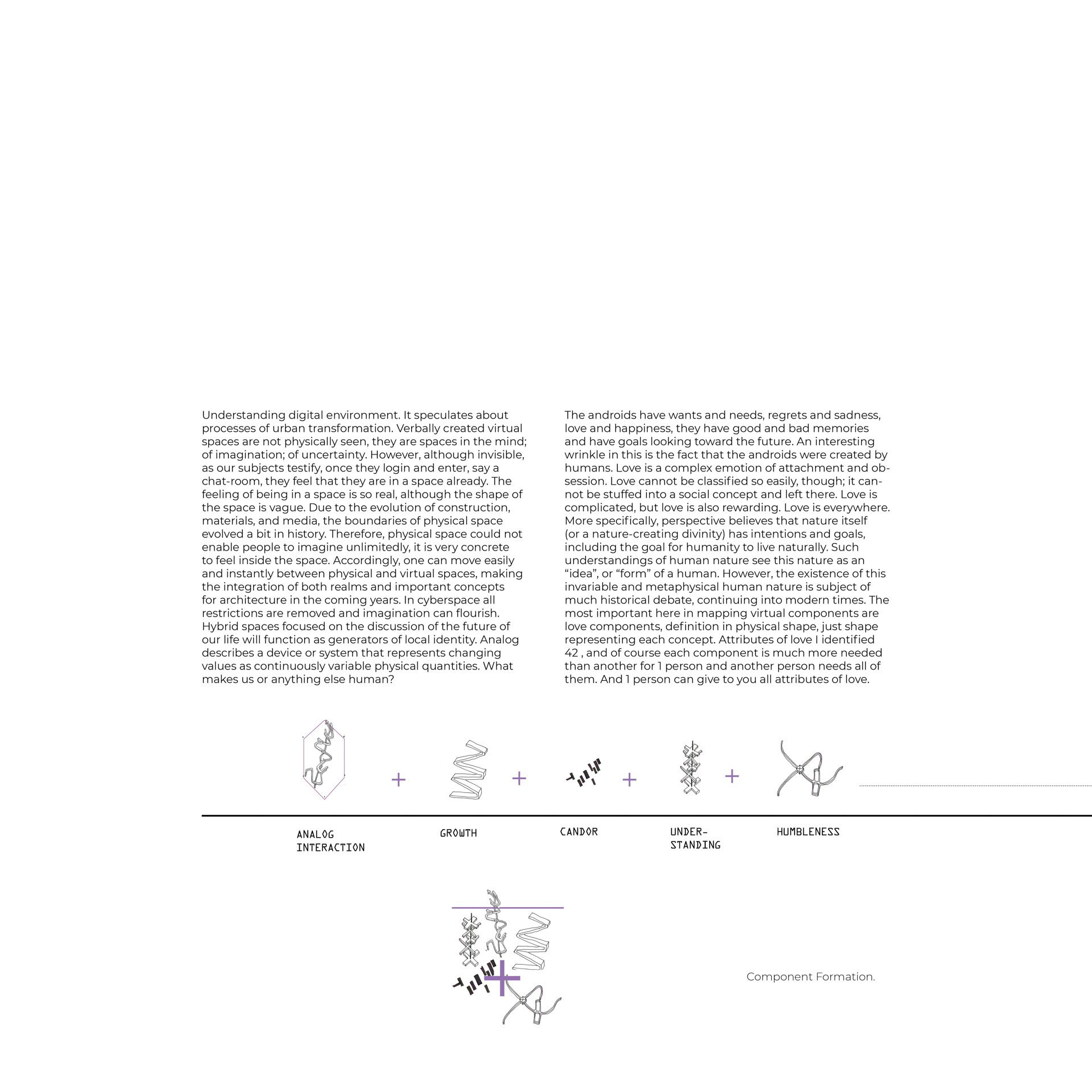
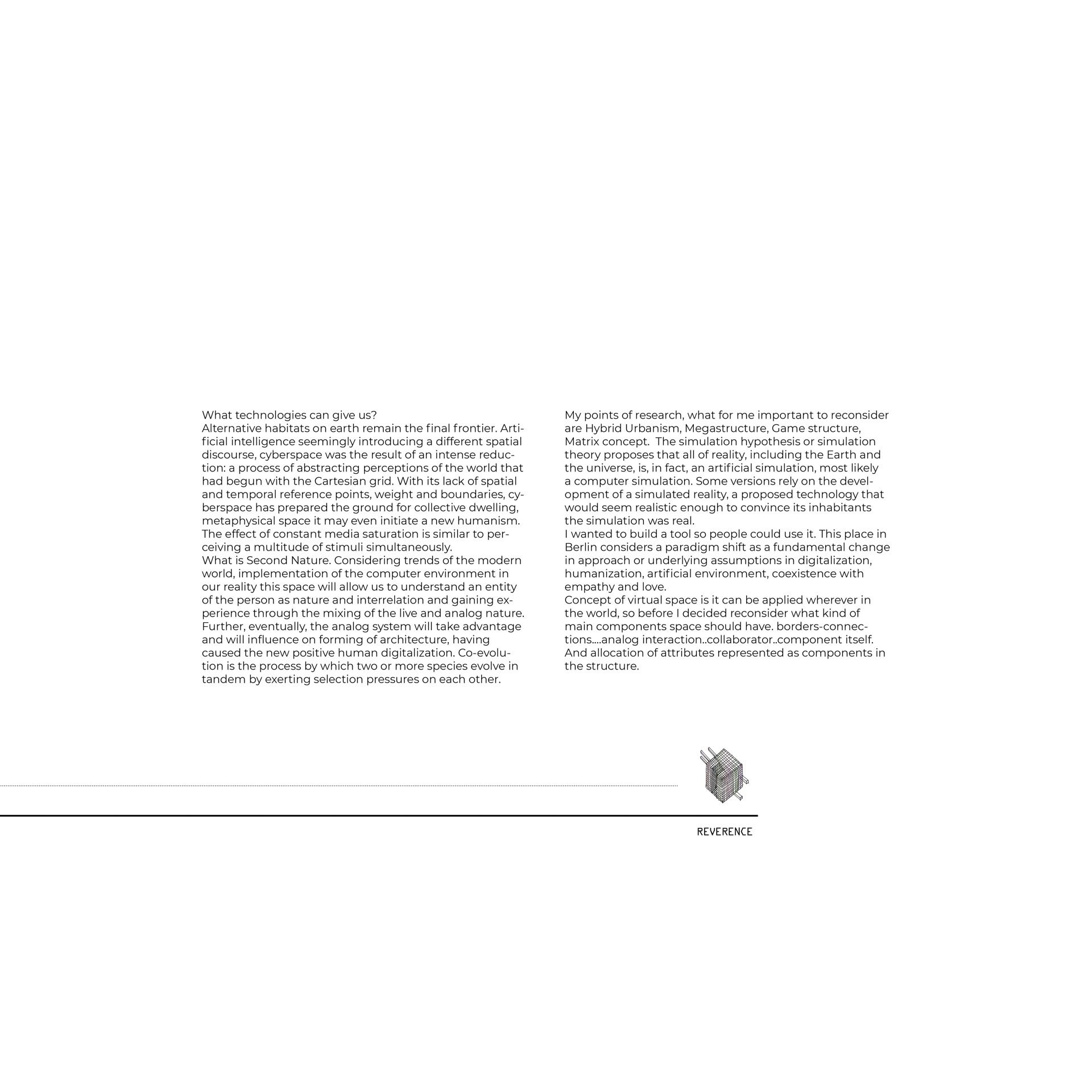
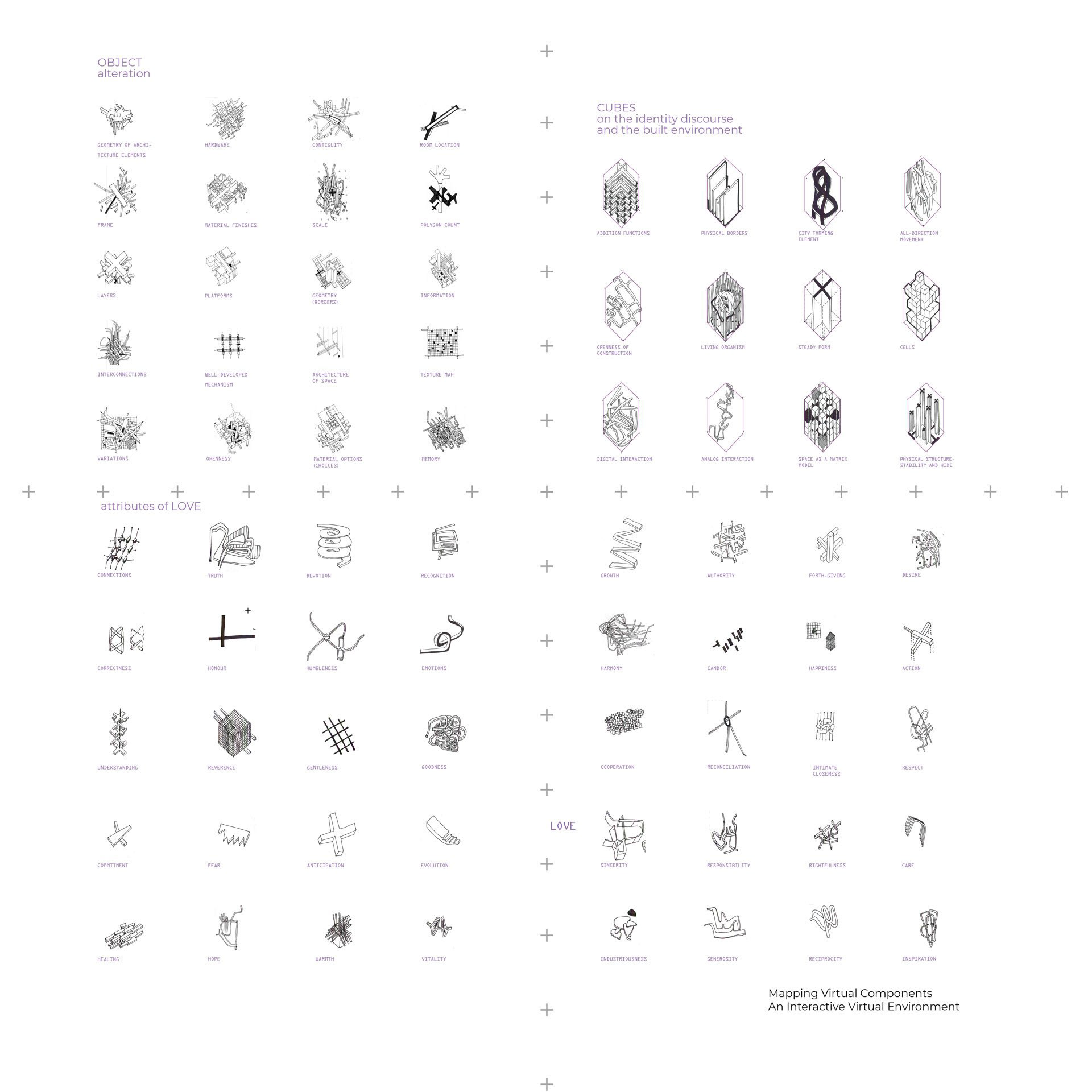
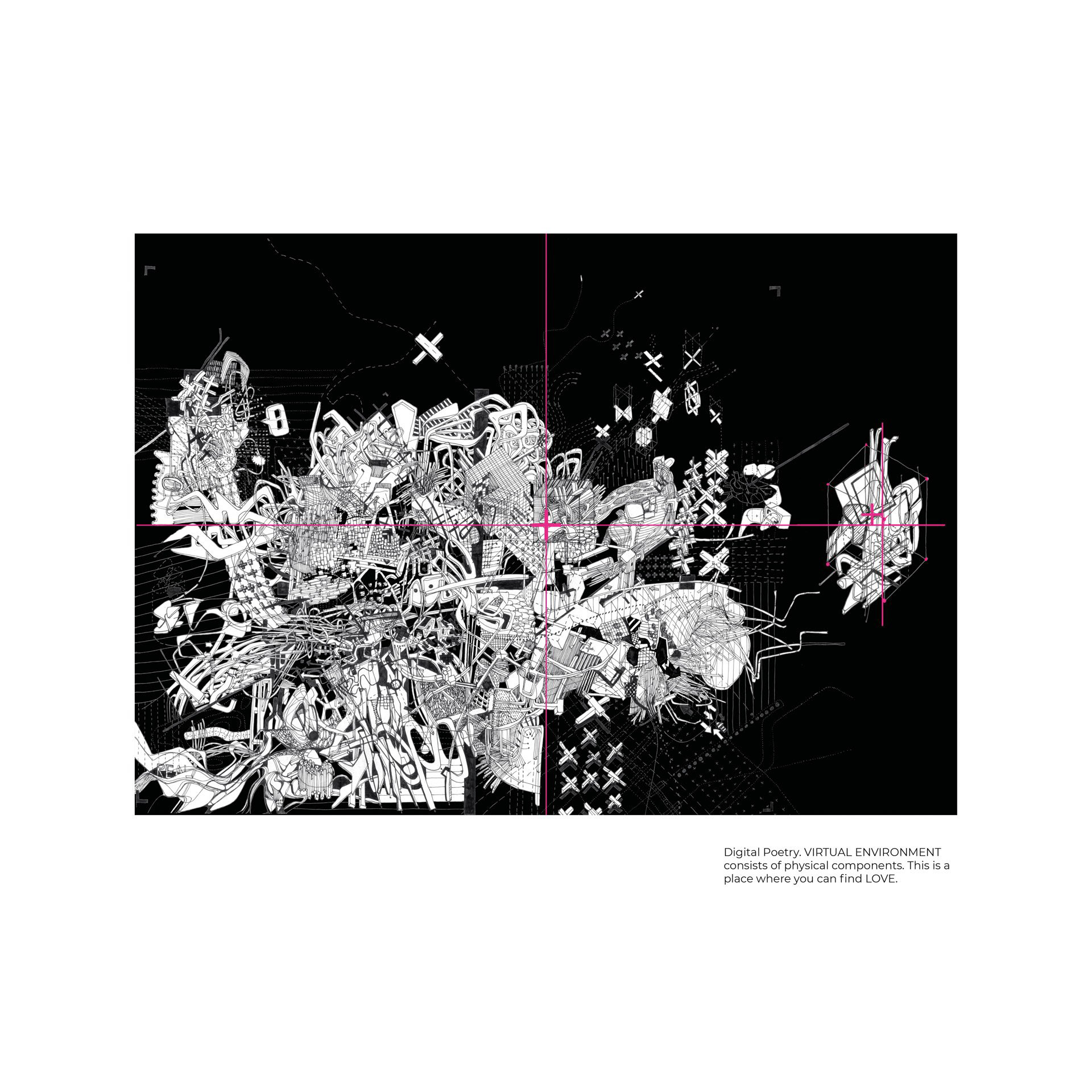
DIGITAL POETRY MADE BY AI (?)
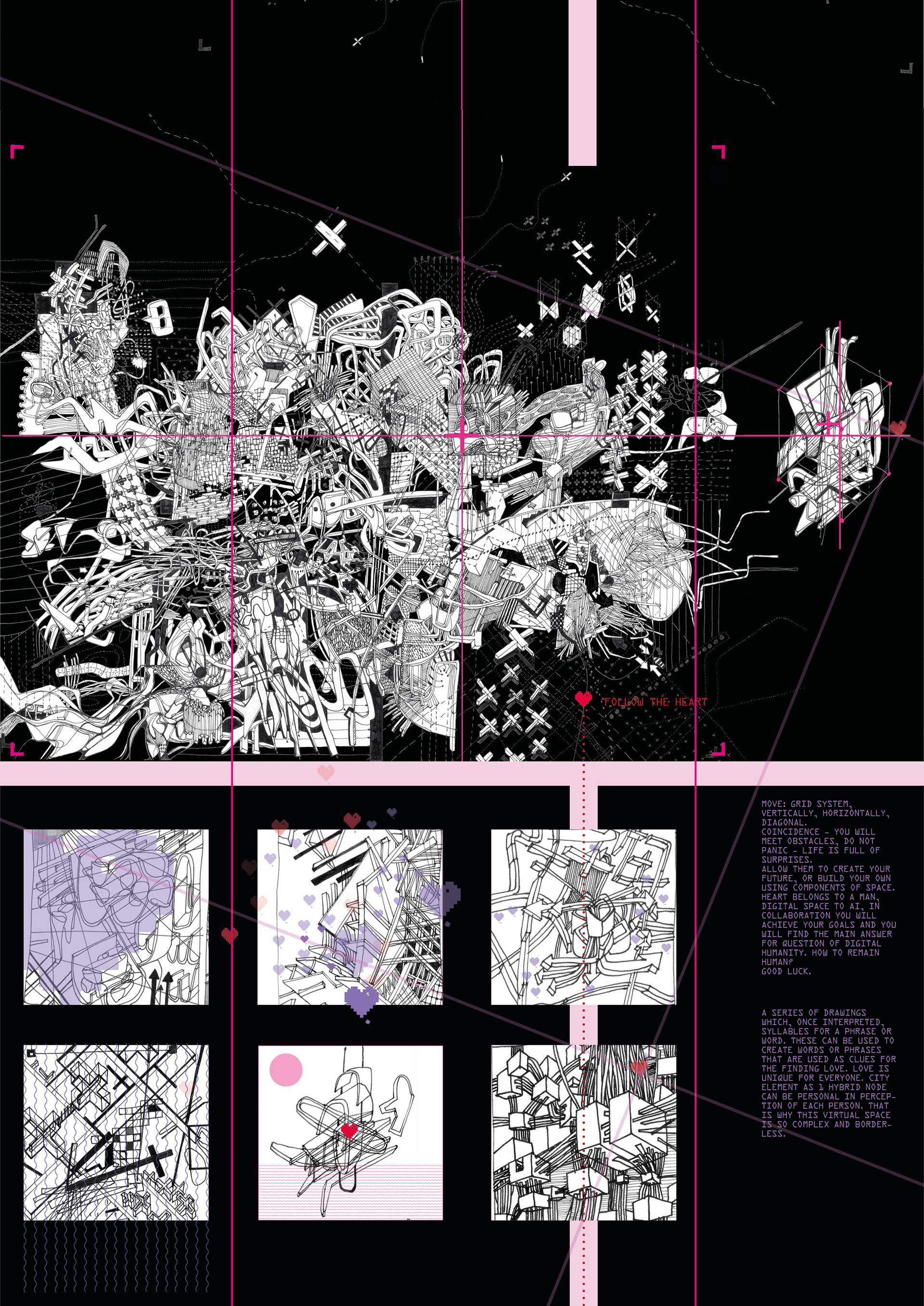
This is about the future poetry, and here is one of the examples of urban node structure I have made. My personal view and research, imagination and some experience in this field I gain throughout my life and study, comparison and transformed reality in my mind, personal interpretation. Considering trends of the modern world, implementation of the computer environment in our reality, an forgetting nature, forgetting about primary feelings in human beings now/ this space will allow to understand an entity of the person as the nature and interrelation and gaining experience by means of mixing of the live and analog nature. Further, eventually, the analog system will take advantage and will influence on forming of architecture, having caused the new digitalization.
In the theory creation philosophical questions and fundamental basis of a theory of the future cities and following yet unanswered assumptions speculate architecture can brighten the tiny paths of complicated questions to be prepared and develop urban structure based on research and logical conclusions. In understanding the digital environment, large-scale speculative design contests <official reality>; it is a form of dissent expressed through alternative design proposals. It aims to be inspirational, infectious, and catalytic, zooming out and stepping back to address values and ethics. It strives to overcome the invisible wall separating dreams and imagination from everyday life, blurring distinctions between the <real> reality and the <unreal> reality. The former exists in the here-and-now, whereas the latter lies behind glass screens, within the pages of books, and locked in people’s imaginations.
This is about the future poetry, and here is one of the examples of urban node structure I have made. My personal view and research, imagination and some experience in this field I gain throughout my life and study, comparison and transformed reality in my mind, personal interpretation. Considering trends of the modern world, implementation of the computer environment in our reality, an forgetting nature, forgetting about primary feelings in human beings now/ this space will allow to understand an entity of the person as the nature and interrelation and gaining experience by means of mixing of the live and analog nature. Further, eventually, the analog system will take advantage and will influence on forming of architecture, having caused the new digitalization.
In the theory creation philosophical questions and fundamental basis of a theory of the future cities and following yet unanswered assumptions speculate architecture can brighten the tiny paths of complicated questions to be prepared and develop urban structure based on research and logical conclusions. In understanding the digital environment, large-scale speculative design contests <official reality>; it is a form of dissent expressed through alternative design proposals. It aims to be inspirational, infectious, and catalytic, zooming out and stepping back to address values and ethics. It strives to overcome the invisible wall separating dreams and imagination from everyday life, blurring distinctions between the <real> reality and the <unreal> reality. The former exists in the here-and-now, whereas the latter lies behind glass screens, within the pages of books, and locked in people’s imaginations.
MATRIX & THE CITY
This is about now
The simulation hypothesis or simulation theory proposes that all of reality, including the Earth and the Universe, is in fact an artificial simulation, most likely a computer simulation. Some versions rely on the development of a simulated reality, a proposed technology that would seem realistic enough to convince its inhabitants the simulation was real. Technology, like any ideology, thrives on dreams of mobility, power and omnipresence; to some extent, this may be a chance to reboot, to replay an event and to try a different resolution in different dimensions in different situations.
This is about now
The simulation hypothesis or simulation theory proposes that all of reality, including the Earth and the Universe, is in fact an artificial simulation, most likely a computer simulation. Some versions rely on the development of a simulated reality, a proposed technology that would seem realistic enough to convince its inhabitants the simulation was real. Technology, like any ideology, thrives on dreams of mobility, power and omnipresence; to some extent, this may be a chance to reboot, to replay an event and to try a different resolution in different dimensions in different situations.
REFLECTION IN 2026 (AFTER 6 YEARS)
DIGITAL POETRY STILL MADE BY AI (?)
Retrospective Insights: The Urgency of the Analog
Looking at the current architecture field, AI tools (like generative design and BIM integration) are rapidly increasing efficiency in the early project phases-exactly where the search results show they excel. This is a double-edged sword. While AI handles the "DIGITAL" and "2D" planning paradigms with efficiency, it also risks reducing architecture to pure optimization and image-making, further accelerating the commodification of urban space.
“REMAIN HUMAN” provides the essential ethical framework for this AI era. It insists that before we ask how AI can design better, we must ask what AI should design for. The answer, according to the thesis, is the cultivation of "Analogue Second Nature" and the infrastructure for collective love and empathy.
The final lesson is that the utopian horizon is not reached by technological singularity, but by defining technological boundaries. “REMAIN HUMAN” is a call to action for architects to remain the keepers of the unquantifiable: the feeling of a space, the dignity of isolation, the value of a mistake, and the necessity of shared, non-market resources. The project is an architectural defense system for the soul of the city, ensuring that as the digital platform evolves, we remember to RE:MAIN HUMAN. Brilliant title, I find.
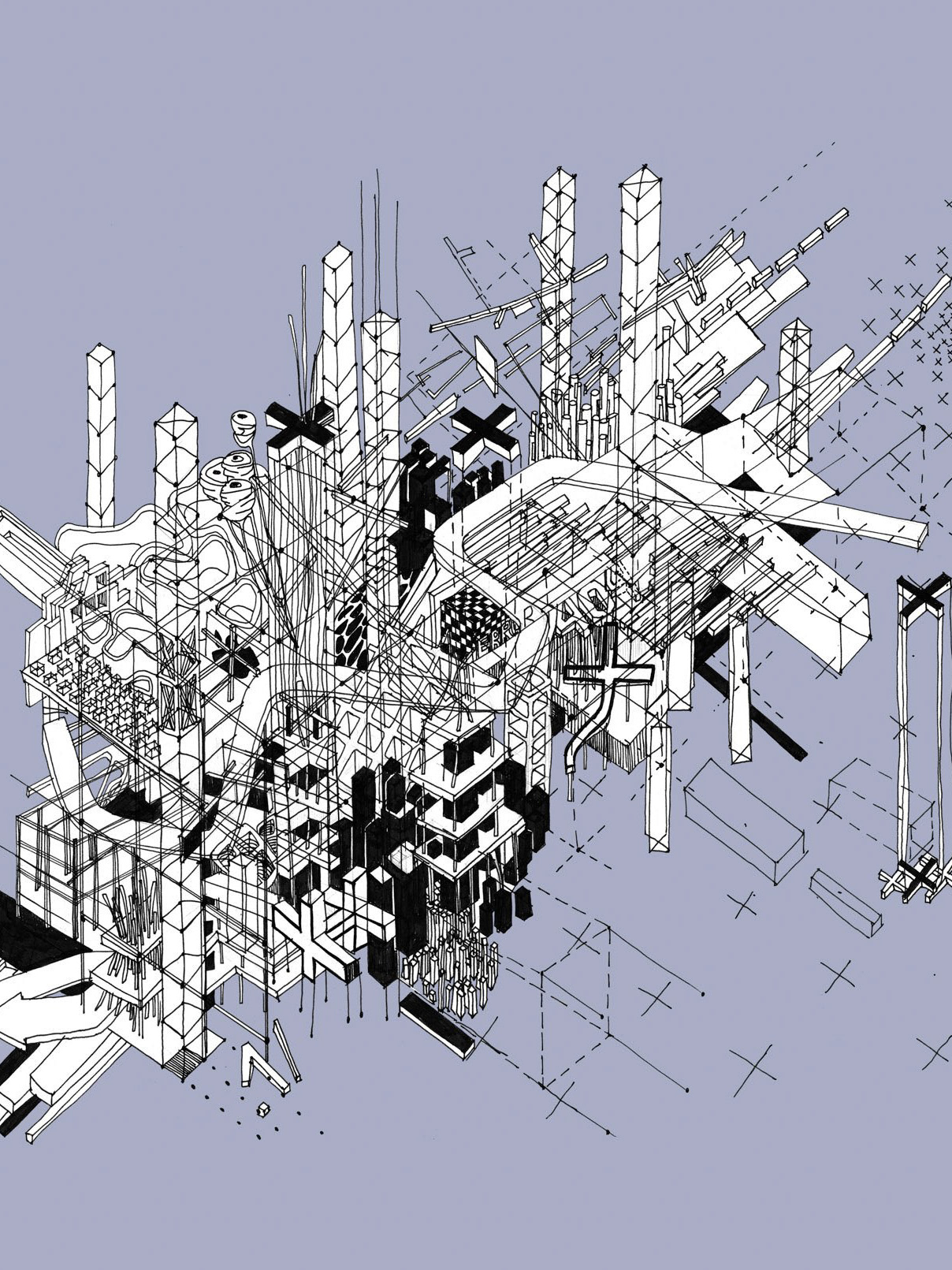
///// An interesting fact about this thesis is that it was fully drawn by hand and enhanced digitally later. This represents a meaningful compromise in a digital environment where remaining human is paramount. /////
PERCEPTION & RAPID CHANGE
Design, Perception, and the Power of Affective Space
Oh, I am deeply concerned about how fast AI is reaching the point where AI starts teaching AI. Are we people doomed?Is it really accelerating progress we still control, or are people regressing to the beginning of evolution?
The core design philosophy is articulated in the statement:
"Given the physical nature of the built environment it would be the qualities of space that dominate our perception of a building. Space can speak, can give you sensation to provide by thoughts, to dominate, to speak with you."
The core design philosophy is articulated in the statement:
"Given the physical nature of the built environment it would be the qualities of space that dominate our perception of a building. Space can speak, can give you sensation to provide by thoughts, to dominate, to speak with you."
This is a mandate for Affective Architecture. The design uses the material world (the Analog Second Nature) to create spaces that deliberately counter the sterile, frictionless environments idealized by pure digital efficiency, which often lead to the alienation seen in episodes of Black Mirror. Since I am deeply influenced by science fiction novels and cinematography, I took a lot of inspiration from them. It is no surprise that many situations are becoming our reality. We often do not notice these changes; they happen without our awareness. We become victims of social media, our minds prefer to consume meaningless digital content rather than explore human experiences, such as meditation. Moreover, AI in one day diminishes the value of your 20 years of professional experience. This is clearly a dystopian scenario.
Challenging the Digital Ideal (The Black Mirror and Blade Runner 2049 Critique): Sci-fi narratives, particularly Black Mirror and Blade Runner 2049, often show how technology weaponizes our deepest human desires (like social acceptance in Nosedive or grieving in Be Right Back), turning utopia into a subtle, psychological dystopia. “REMAIN HUMAN” pushes back by creating spaces for SPACE FOR ISOLATION and SPACE FOR NOTHING and EMOTIONS. These are non-productive, non-optimized spaces - a direct antithesis to the total surveillance and continuous optimization demanded by digital capitalism. They are sacred, analogue counter-spaces where the human mind can exist outside the network, fostering the 'vulnerability' and 'uncontrolled' emotion that AI cannot replicate or commodify.
The Synthesis of Landscape: The project integrates TECHNOLOGY AND NATURE via a SYNTHESIS LANDSCAPE and FOREST OF FORESTS. This suggests a landscape engineered for maximum ecological output (FARMING ENERGY, CLIMATE RESEARCH) but designed for maximum human-nature connection. The architecture itself must use flexible, biological, or adaptive materials (referencing current research in bio-architecture and AI-optimized material use, as found in the search results). The buildings must be porous, constantly mediating the HUMAN AND NATURE relationship, rather than sealing it off.
The Human-AI Interface (HUMAN AI AND FUTURE): The project does not reject AI. Instead, it defines its role precisely: AI is the silent operating system for the commons - managing logistics, climate control, energy distribution, and detection of potential ecological "mistakes" (predictive maintenance) - but AI is explicitly barred from governing human social interaction or creativity. The HUMAN AND DIGITAL relationship is one of augmentation, not replacement, ensuring the human being remains the master of their cognitive destiny, not the product of an algorithm (as seen in Joan is Awful).
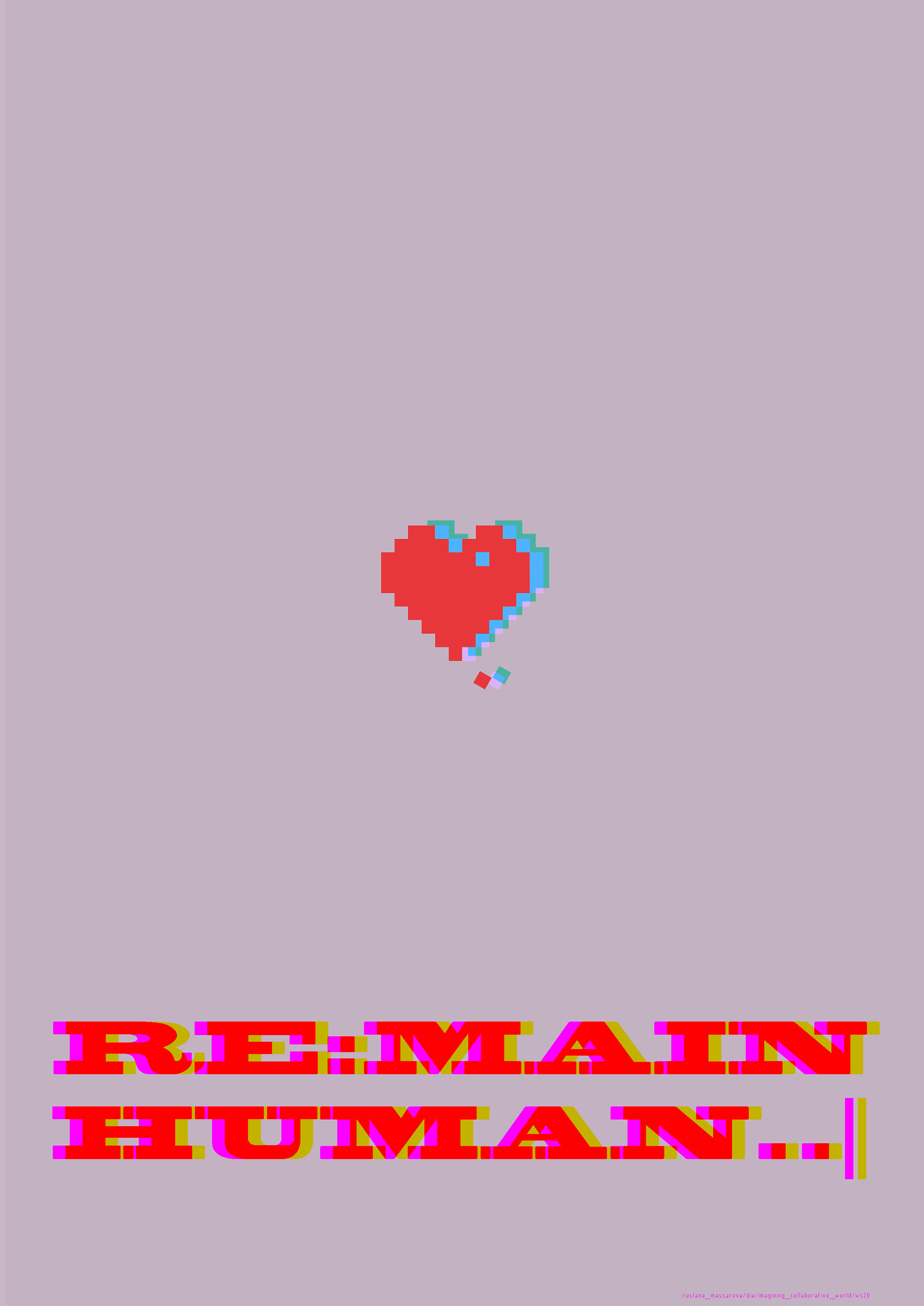
RE:MAIN HUMAN